Blogs
Insights for confident, capable readers
Explore articles packed with expert tips, guidance, and resources on dyslexia support,on Autism, ADHD, Dyslexia, Dysgraphia, and Speech & Language Impairments, Orton-Gillingham tutoring, and online reading instruction curated specifically for our students and families.
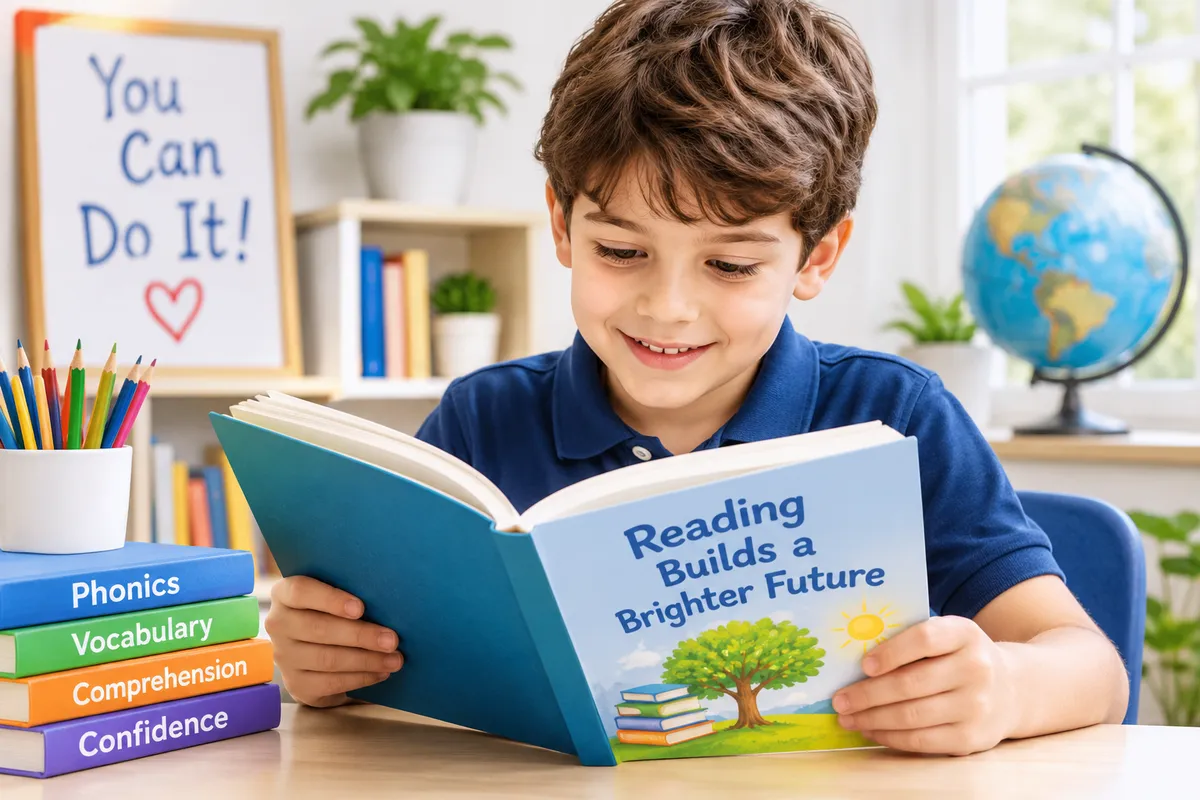
Kansas ABLE Savings Plan: A Parent’s Guide to Disability-Related Educational Expenses | iReading Tutor
Planning for a child’s education can bring additional financial considerations when that child has a disability or learning difference. Families may need to budget for specialized instruction, educational resources, assistive technology, and other forms of support. The Kansas ABLE Savings Plan can help eligible individuals and their families save for certain disability-related expenses, including qualifying educational costs.
What Is the Kansas ABLE Savings Plan?
ABLE stands for Achieving a Better Life Experience. The Kansas ABLE Savings Program allows eligible individuals with disabilities to save money in a tax-advantaged account for qualified disability expenses.
One important benefit is that eligible ABLE account funds generally receive favorable treatment under certain federal means-tested benefit programs, including Supplemental Security Income (SSI) and Medicaid, subject to applicable limits and program rules.
The account is designed to help individuals with disabilities and their families save for expenses that support independence, health, education, and quality of life.
How Can the Kansas ABLE Savings Plan Support Educational Expenses?
Education is one of the recognized categories of qualified disability expenses under the Kansas ABLE program. Depending on the account owner's circumstances, eligible education-related costs may include certain learning resources, educational services, and assistive technology.
For parents of children with dyslexia, autism, or other learning differences, educational planning may involve additional services beyond traditional classroom instruction.
Examples of potential education-related expenses include:
Specialized educational resources and learning materials
Certain tutoring or instructional services
Assistive technology used to support learning
Educational programs and disability-related support services
Other qualifying expenses that help improve educational access and independence
However, not every tutoring or educational expense automatically qualifies. Families should review the official program guidelines and confirm whether a specific expense meets the qualified disability expense requirements before using ABLE funds.
Why Financial Planning Matters for Children with Learning Differences
Students learn in different ways, and some children benefit from individualized instruction and additional educational support. Families may need to consider tutoring, reading intervention, specialized learning tools, and structured educational programs.
A thoughtful financial plan can help parents prepare for these needs over time.
For example, a child with dyslexia may benefit from structured literacy instruction, while a student with autism may need individualized educational strategies that address their learning goals.
At iReading Tutor, the focus is on supporting students through personalized reading and learning instruction. Families exploring educational support can learn about tutoring approaches that may help children strengthen reading skills, build confidence, and make progress at their own pace.
How iReading Tutor Supports Students and Families
Every student has unique strengths and learning needs. iReading Tutor focuses on individualized instruction designed to help students develop essential literacy skills.
Depending on a student's needs, tutoring may support:
Reading fluency and comprehension
Phonics and decoding skills
Spelling and word recognition
Structured literacy development
Confidence and independent learning habits
Parents can discuss their child's learning goals and explore suitable tutoring options. If they are considering using Kansas ABLE funds, they should independently verify whether the specific tutoring service and expense qualify under the program rules.
Who May Be Eligible for a Kansas ABLE Account?
Eligibility is based on federal ABLE requirements. Under the rules applicable in 2026, the individual's qualifying disability must have begun before age 46, and the individual must meet the applicable disability-related eligibility criteria.
People receiving SSI or Social Security Disability Insurance (SSDI) may meet the eligibility requirements automatically, while others may qualify through an appropriate disability certification.
Parents, guardians, or authorized representatives may be able to help manage an account for an eligible individual.
Because eligibility and benefit rules can change, families should consult the Kansas State Treasurer's Office and the official plan information before opening an account.
Frequently Asked Questions (FAQs)
1. What is the Kansas ABLE Savings Plan?
The Kansas ABLE Savings Plan is a tax-advantaged savings program that helps eligible individuals with disabilities save for qualified disability expenses.
2. Can Kansas ABLE funds be used for educational expenses?
Yes. Education is an eligible category of qualified disability expenses. Whether a particular service or purchase qualifies depends on the account owner's circumstances and applicable program rules.
3. Can parents use ABLE savings for tutoring?
Certain tutoring expenses may qualify when they meet the program's qualified disability expense requirements. Parents should confirm eligibility before making a withdrawal.
4. Can children with dyslexia or autism qualify for an ABLE account?
A diagnosis alone does not automatically establish eligibility. The individual must meet the applicable age-of-onset and disability requirements.
5. Does an ABLE account affect SSI or Medicaid benefits?
ABLE accounts receive special treatment under certain benefit rules. However, limits and conditions apply, so families should review current SSI, Medicaid, and Kansas ABLE guidelines.
6. How can families learn more about educational support?
Families can contact iReading Tutor to explore reading instruction and learning support options based on their child's individual needs.
Conclusion
The Kansas ABLE Savings Plan can be a useful financial planning resource for eligible individuals with disabilities and their families. By understanding qualified disability expenses, parents can explore ways to prepare for educational needs, assistive technology, and other important forms of support.
Alongside thoughtful financial planning, choosing appropriate educational resources can make a meaningful difference in a child's learning journey. iReading Tutor supports families seeking individualized reading instruction and learning assistance. Explore available tutoring options and take an informed step toward supporting your child's educational growth.

Need Help Accessing These Resources?
Expert literacy support specializing in Dyslexia and Specific Learning Disabilities since 2015.


Our Services
Quick Links
Contact
5978 Wedgewood Village Circle Lake Worth FL 33463
© 2026 iReading TUTOR. All rights reserved. Specialized Literacy Support. Powered by Fluxigo.