iReading TUTOR
Parent Resource Hub
Evidence-Based Reading, Dyslexia & Learning Resources for Families
Finding reliable educational information can be overwhelming. Our Parent Resource Hub brings together trusted organizations, research-based recommendations, and practical tools to help parents confidently support their child's reading, learning, language development, dyslexia, ADHD, autism, and academic success.


Helping Parents Make Informed Decisions
Parents rarely struggle to find information about reading. They struggle to find information they can trust. A single evening of searching can produce a dozen confident, contradictory answers about phonics, dyslexia, screen time, tutoring and when to worry — and almost none of it explains where the claim came from.
We believe families deserve access to research-backed educational resources that are trusted by educators, specialists, and literacy professionals. Our team works daily with children who learn differently, and we see how much calmer decisions become when a parent understands the reasoning behind a recommendation rather than simply being handed one.
This resource hub has been carefully organized to make it easier for parents to discover reliable information without spending hours searching the internet. Every section explains what a resource offers, who it is for, and how it can support your child's development — so you can spend less time evaluating sources and more time reading together.
Grounded in reading science
Organized by parent need
Written in plain language
Independent of any single program
Videos for Parents & Caregivers
Explore helpful videos designed to help you better understand reading, dyslexia, learning differences, and ways to support your child at home.
Where Reliable Reading Information
Actually Comes From
These are research centers, nonprofits and professional bodies whose work shapes how
reading is taught. We describe each in our own words, focusing on what a
parent can practically gain from it.

Research translation
The Reading League
A nonprofit built around one goal: closing the gap between reading research and everyday classroom practice. Parents will find plain-language explainers, glossaries and short videos that make technical terms feel manageable. It is a good first stop when you want to understand what quality reading instruction should actually look like.
Dyslexia guidance
International Dyslexia Association
One of the oldest professional communities devoted to dyslexia, with fact sheets written for families as well as educators. Their materials describe how dyslexia is identified, what effective instruction includes, and which questions to raise at school meetings. Local branches often host parent nights and support groups.

Strengths-based science
Yale Center for Dyslexia & Creativity
A university research center that pairs brain-imaging science with a strengths-based view of dyslexic learners. Their writing helps parents separate a decoding difficulty from intelligence, which can be enormously reassuring for a discouraged child. Expect accessible summaries of what neuroscience has learned about reading.
Everyday parenting support
Understood.org
A broad hub for families raising children who learn and think differently, covering reading, attention, executive function and emotional wellbeing. Articles are short, practical and written for real evenings at the kitchen table. Many parents use it to prepare for school conversations and to explain differences to siblings.

Practical strategies
Reading Rockets
A long-running public-media literacy project offering step-by-step strategies parents can try at home tonight. Content spans read-aloud tips, comprehension routines and guidance for reluctant readers. The tone is warm and non-judgmental, which makes it a comfortable starting point for families new to reading difficulty.

Screening & policy
National Center on Improving Literacy
A federally funded center focused on identifying reading difficulties early and improving literacy outcomes at scale. Parents will find clear material on what universal screening means, how results are used, and what happens after a screener flags a concern. Useful when you want to understand your school's process.
Classroom-tested activities
Florida Center for Reading Research
A research center known for freely available, carefully sequenced literacy activities organized by skill and grade band. Families can borrow the same phonemic-awareness and word-study routines teachers use, without buying a program. Everything is grounded in studies rather than trends.

Independent evidence
Institute of Education Sciences
The research arm of the U.S. Department of Education, publishing studies, practice guides and data on what improves learning. Its practice guides distill decades of findings into recommendations with honest ratings of how strong the evidence is. A dependable counterweight to marketing claims.

Program reviews
What Works Clearinghouse
An independent review service that examines education programs and reports whether the research behind them holds up. When a school proposes an intervention, you can check how it was studied and with which students. It helps parents ask evidence questions calmly and specifically.

Audiobook access
Learning Ally
A nonprofit providing human-read audiobooks so students with print disabilities can keep learning grade-level content while decoding skills catch up. Listening supports vocabulary, background knowledge and confidence, and it protects a child's love of story. Many schools already hold memberships families can use.
Autism resources
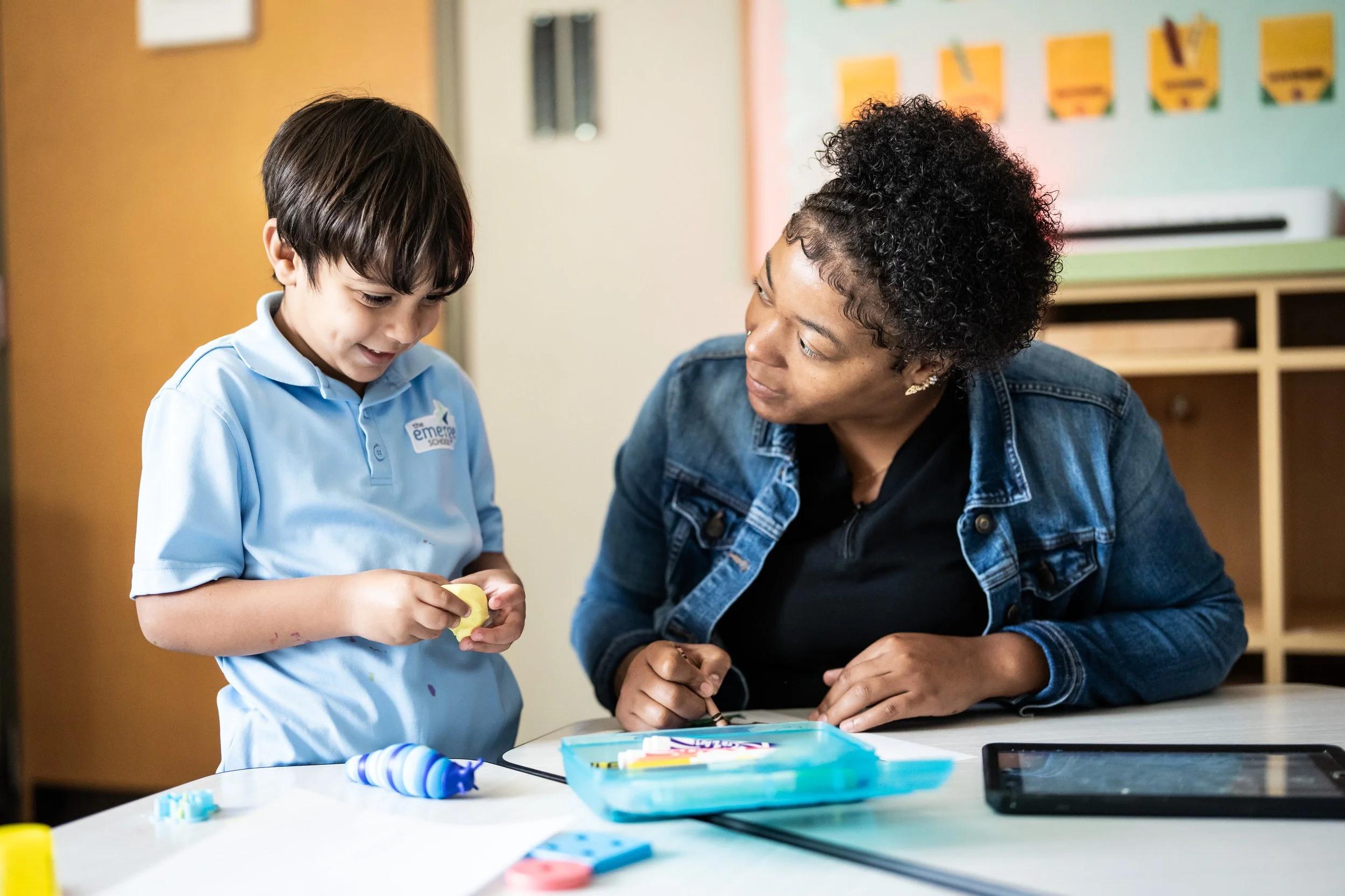
Organization for Autism Research
A research-driven nonprofit that turns autism studies into guides for families, siblings and educators. Materials cover communication, self-advocacy, school transitions and daily routines, always with respect for the individual learner. Helpful for parents navigating both autism and literacy support.

ADHD support
CHADD
A national organization for children and adults with attention-deficit/hyperactivity disorder, offering evidence-reviewed information and parent training. Because attention challenges frequently accompany reading difficulty, their guidance on routines, homework and self-regulation pairs naturally with literacy work.
Phonics education
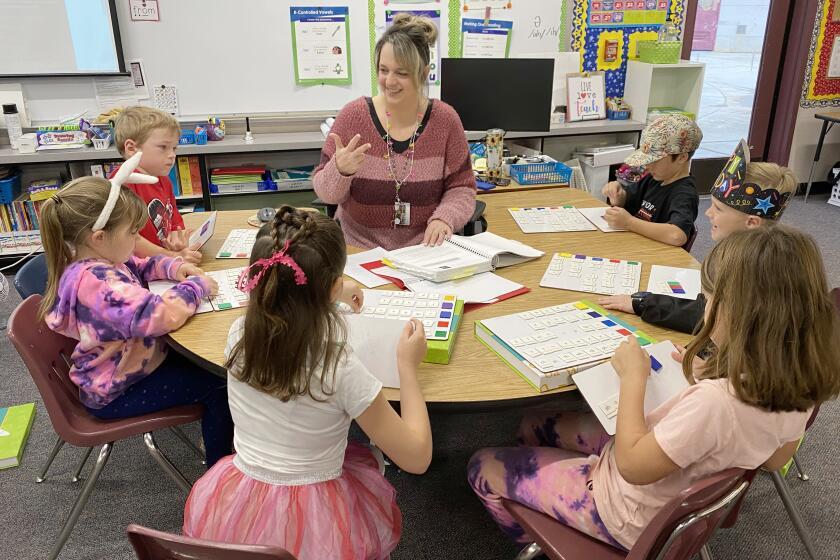
Really Great Reading
A professional-development and curriculum group whose free parent-facing explanations of decoding are unusually clear. Their materials show what a child must do inside a word to read it, which demystifies why some children stall. Good for parents who want to understand the mechanics.

Phonemic awareness
Heggerty
Best known for short, daily phonemic-awareness routines used widely in early classrooms. The underlying idea is simple: children must hear and manipulate individual speech sounds before letters make sense. Parents can adapt the same brief oral games during car rides or bedtime.
Structured literacy training
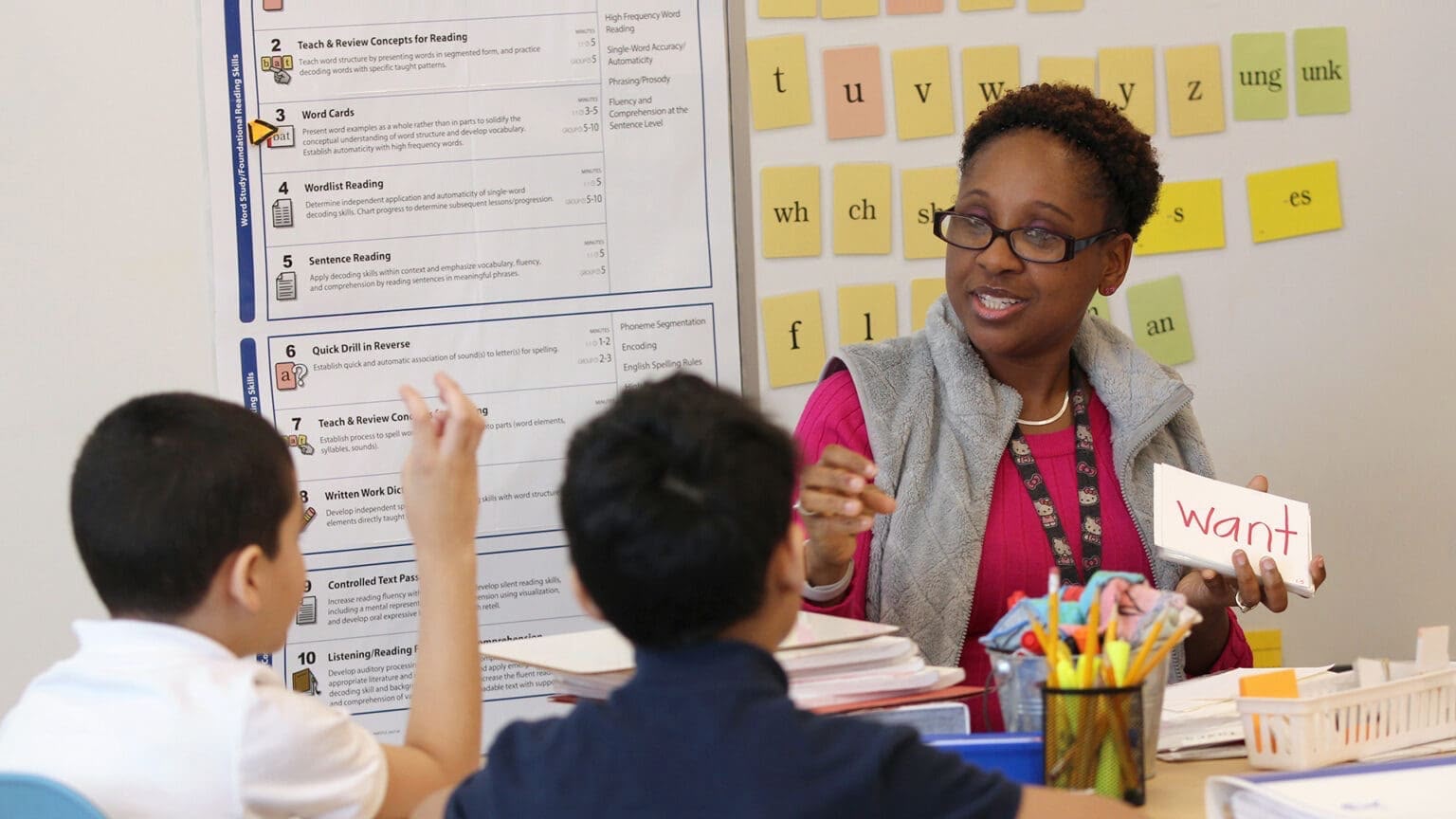
Wilson Language
A provider of structured literacy programs and rigorous practitioner certification for students with significant reading needs. For parents, the value is in understanding what trained, systematic intervention involves and what credentials to look for. It sets a useful benchmark for instructional quality.

One-to-one tutoring system
Barton Reading & Spelling
An Orton-Gillingham-based system designed so trained tutors can deliver highly explicit, one-to-one instruction. Their public materials explain screening for readiness and the logic of teaching spelling and reading together. Helpful background when comparing intervention approaches.

Global reading science
Haskins Global Literacy Hub
Connected to a laboratory with a long history in speech and reading science, this hub shares international literacy research and collaboration. Parents interested in how language, speech and reading interact will find thoughtful, well-sourced material here.

ONLit.org
Embedded Picture Mnemonics
Connected to a laboratory with a long history in speech and reading science, this hub shares international literacy research and collaboration. Parents interested in how language, speech and reading interact will find thoughtful, well-sourced material here.
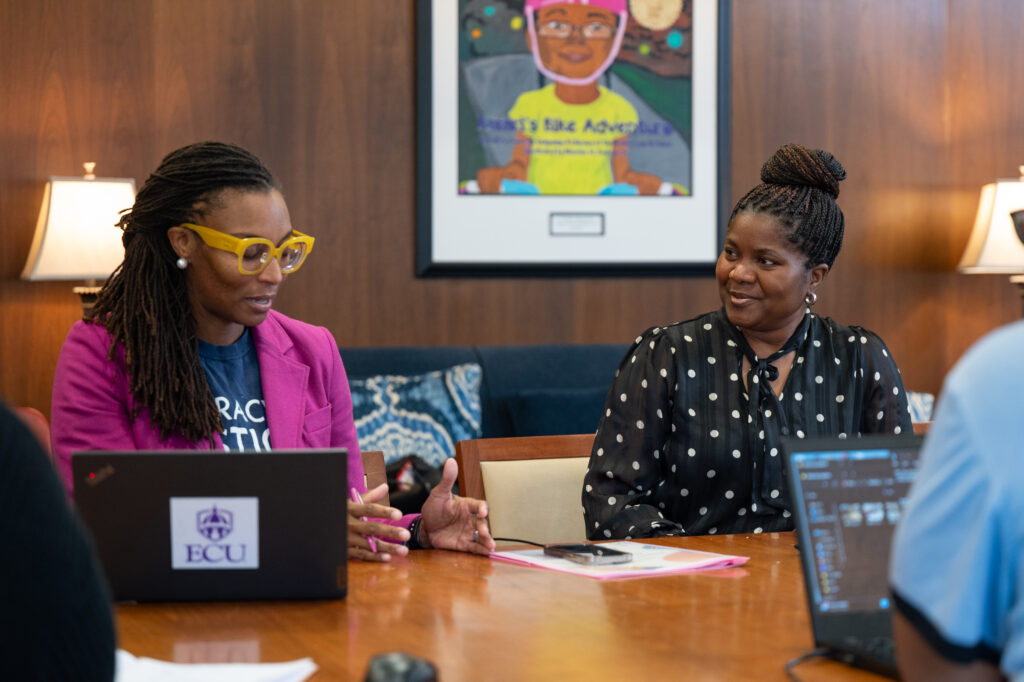
STRUCTURED LITERACY TRAINING
Cox Campus Structured Literacy Program
Access a free, IDA-accredited Structured Literacy Program designed for PreK–12 educators. This evidence-based training includes comprehensive online courses that build the knowledge and skills needed to teach reading effectively using structured literacy practices.
LITERACY RESOURCE LIBRARY
The Kastner Collection
Explore Dr. Pam Kastner’s comprehensive literacy collection featuring carefully curated reading, writing, phonics, and structured literacy resources. This free Wakelet library gives educators and families quick access to practical, evidence-based materials in one convenient place.

Microsoft Education Course
Dyslexia Awareness
Knowledge is power. Understanding how the dyslexic brain processes information is
the first step toward effective advocacy and support for your child or student.

AUDIOBOOK ACCESS
Bookshare
Bookshare is the world's largest accessible online library for people with print disabilities like blindness, low vision, and severe dyslexia. It offers nearly 1.4 million titles — including textbooks, bestsellers, and children's books — and allows users to listen to books, read in braille, or customize fonts.

AUTISM RESOURCES
Center for Autism and Related Disabilities (CARD)
The Center for Autism and Related Disabilities (CARD) in Florida is a state-funded network operating through seven regional university sites. They provide free consultation, training, and individualized support for individuals with autism and related disabilities, their families, and professionals across the state.

A Reading List That Answers the Questions Parents Actually Have
You do not need a degree in linguistics to understand your child's reading. These titles range from warm and practical to genuinely technical, and together they cover identification, instruction, comprehension and the emotional side of learning to read.
Research Articles:
Avoiding the Devastating Downward Spiral
A research-based look at why early reading difficulties can develop into a downward spiral and how early intervention can help prevent reading failure. The article highlights the importance of phonemic awareness, decoding, fluency, early screening, and explicit instruction to support children at risk of reading difficulties.
Read Article →Structured Literacy: Effective Instruction for Students with Dyslexia and Related Reading Difficulties
A helpful guide explaining how Structured Literacy supports students with dyslexia and related reading difficulties. It explains the importance of explicit, systematic, and cumulative instruction and covers key areas such as phoneme awareness, sound-symbol association, syllables, morphology, syntax, and semantics.
Read Article →Effective Reading Instruction for Students with Dyslexia
A practical guide to effective reading instruction for students with dyslexia. It explains the importance of explicit, systematic, cumulative, and structured instruction, with a focus on building strong skills in phonemic awareness, phonics, fluency, vocabulary, and reading comprehension.
Read Article →The Science of Learning to Read Words: How Word Reading Expertise Develops and Is Taught
This research article explains how word-reading expertise develops and how students learn to read words efficiently. It describes the role of letter-sound knowledge, phonemic awareness, and memory in developing accurate and automatic word recognition, and discusses how effective reading instruction supports these skills.
Read Article →Is Scientifically Based Reading Instruction Effective for Students With Below-Average IQs?
This research study examines whether scientifically based reading instruction can effectively improve reading skills for students with below-average IQs. The findings provide evidence that students with intellectual and learning challenges can benefit from systematic, evidence-based reading instruction when it is delivered appropriately and consistently.
Read Article →Science of Reading Overview
Explore the fundamentals of the Science of Reading in this 2-hour video from Really Great Reading. Learn how children develop reading skills and why evidence-based literacy instruction is essential for building strong, successful readers.
Podcasts :
Investigative narrative series
Sold a Story
An investigative series tracing how widely used reading methods spread through American schools despite thin evidence, and what that meant for children who did not learn to read.
Why parents should listen
Parents who have wondered why their child was told to guess at words will find the explanation here. It is gripping listening and it gives families the historical context behind current debates.
Two educators in conversation
Melissa & Lori Love Literacy
Two literacy educators interview researchers, teachers and authors about turning reading science into daily instruction that works for real classrooms.
Why parents should listen
Episodes translate dense research into concrete practice. Parents preparing for a school meeting can borrow both the vocabulary and the reasonable, collaborative tone.
Research-focused interviews
Science of Reading: The Podcast
Long-form interviews with reading researchers and practitioners covering phonemic awareness, fluency, vocabulary, comprehension and multilingual learners.
Why parents should listen
A steady way to build real understanding over a few weeks of commutes. Listening in order gives parents a genuine foundation rather than scattered tips.
Classroom practitioners
Read: A Literacy Podcast
Conversations centered on instruction, assessment and the small decisions that determine whether a struggling reader gains ground during the school year.
Why parents should listen
Helps parents recognize what strong instruction sounds like, so classroom observations and progress reports become far easier to interpret.
Short, practical episodes
Triple R Teaching
Brief, focused episodes on research-informed reading and writing instruction for early grades, delivered in a friendly, unhurried style.
Why parents should listen
Ideal when you have fifteen minutes. Each episode ends with something you can actually try during tonight's reading time.
Six Ideas That Change How Parents See Reading
Each summary below explains a concept that comes up constantly in school meetings and
evaluation reports. Read them in any order — together they form a working foundation.

Reading Is Rocket Science
This landmark discussion argues that teaching reading well is a technical skill demanding deep professional knowledge, not simple intuition. Skilled reading draws on language structure, speech sounds, spelling systems and comprehension processes, and instruction must address each deliberately. For parents, the takeaway is practical: teacher expertise matters enormously. Asking about training in structured literacy is not confrontational, it is the single most useful question you can ask about the adults guiding your child's reading.
The Science of Reading, Explained
An overview of the interdisciplinary body of evidence describing how humans learn to read and why some struggle. It draws together cognitive psychology, linguistics, neuroscience and classroom research spanning decades. Rather than a single program, the science of reading is a set of well-supported conclusions about instruction. Parents who understand these conclusions can evaluate claims, interpret school materials and recognize when an approach is grounded in evidence instead of tradition.
Understanding Dyslexia
Dyslexia is a specific learning difficulty affecting accurate and fluent word recognition, spelling and decoding, typically stemming from difficulty processing speech sounds. It is not caused by low intelligence, poor effort or inattentive parenting. This overview explains identification, common signs by age, and the emotional weight children carry when reading feels impossible. It also explains why appropriate, explicit instruction changes outcomes substantially, especially when it begins early.
What Structured Literacy Actually Looks Like
Structured literacy describes explicit, systematic, cumulative teaching of sounds, letters, syllables, morphology and syntax, with continuous feedback. Lessons follow a planned sequence, nothing important is left to discovery, and mastery is checked before moving forward. This piece describes what a session contains and how it differs from incidental instruction. Parents can use it as a checklist when observing a lesson or reviewing an intervention plan proposed by a school team.
Early Reading Development, Step by Step
From noticing rhymes to reading chapter books, early literacy follows a broadly predictable path built on oral language, phonemic awareness, letter-sound knowledge, decoding and fluency. This piece maps typical milestones from preschool through third grade and flags what warrants a closer look. Knowing the sequence helps parents distinguish normal variation from genuine delay, and makes it easier to seek support early rather than waiting to see.
Comprehension Depends on Knowledge
Once decoding becomes automatic, understanding rests largely on vocabulary and knowledge of the world. A child who reads every word of a passage about deserts still needs some idea of what a desert is. This article explains why generic strategy practice yields limited gains and why conversation, documentaries, museums and read-alouds above a child's own reading level are powerful, underrated comprehension interventions for families.
What the Research Says, in Language Parents Can Use
The science of reading is not a program, a curriculum or a slogan. It is a large, converging body of evidence from cognitive psychology, linguistics, neuroscience and classroom studies describing how humans learn to read and why some children struggle.
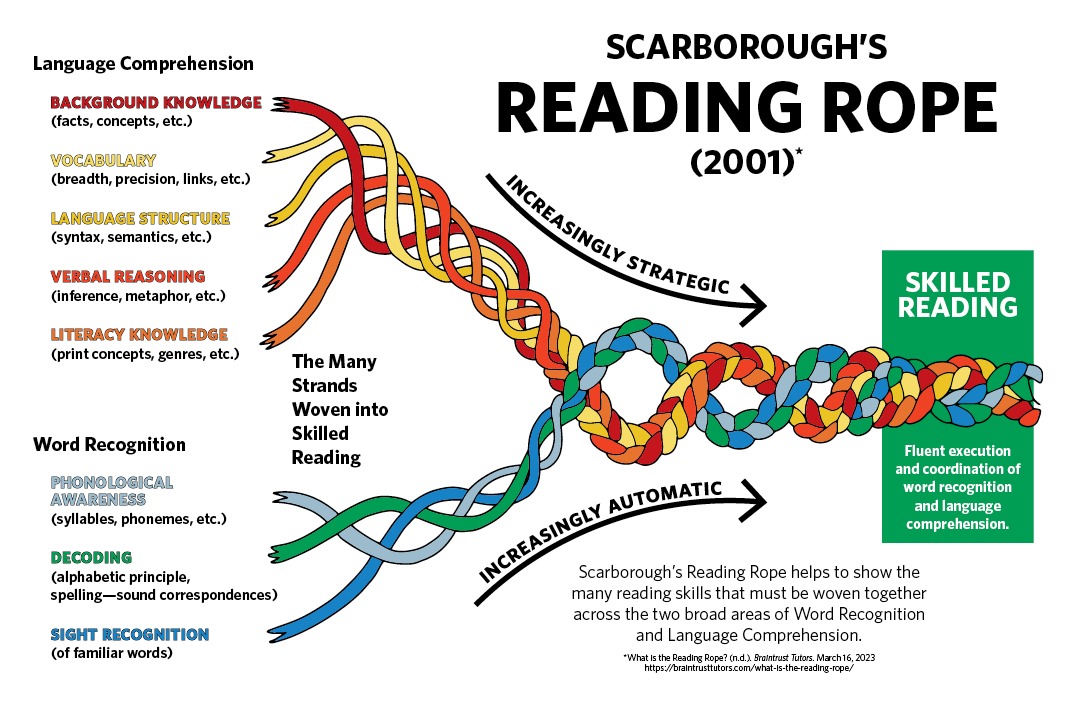
Scarborough's Reading Rope
Children with Autism or Struggling readers generally have deficits in Language comprehension - Background Knowledge, Vocabulary, Language Structures, Verbal Reasoning, Literacy Knowledge, displayed in red, orange and yellow.
Children with Dyslexia or struggling readers have deficits in Word Recognition skills - Phonological Processing- syllables and sounds, Decoding- sound letter correspondences, sight recognition of known words, displayed in gray, green and blue.
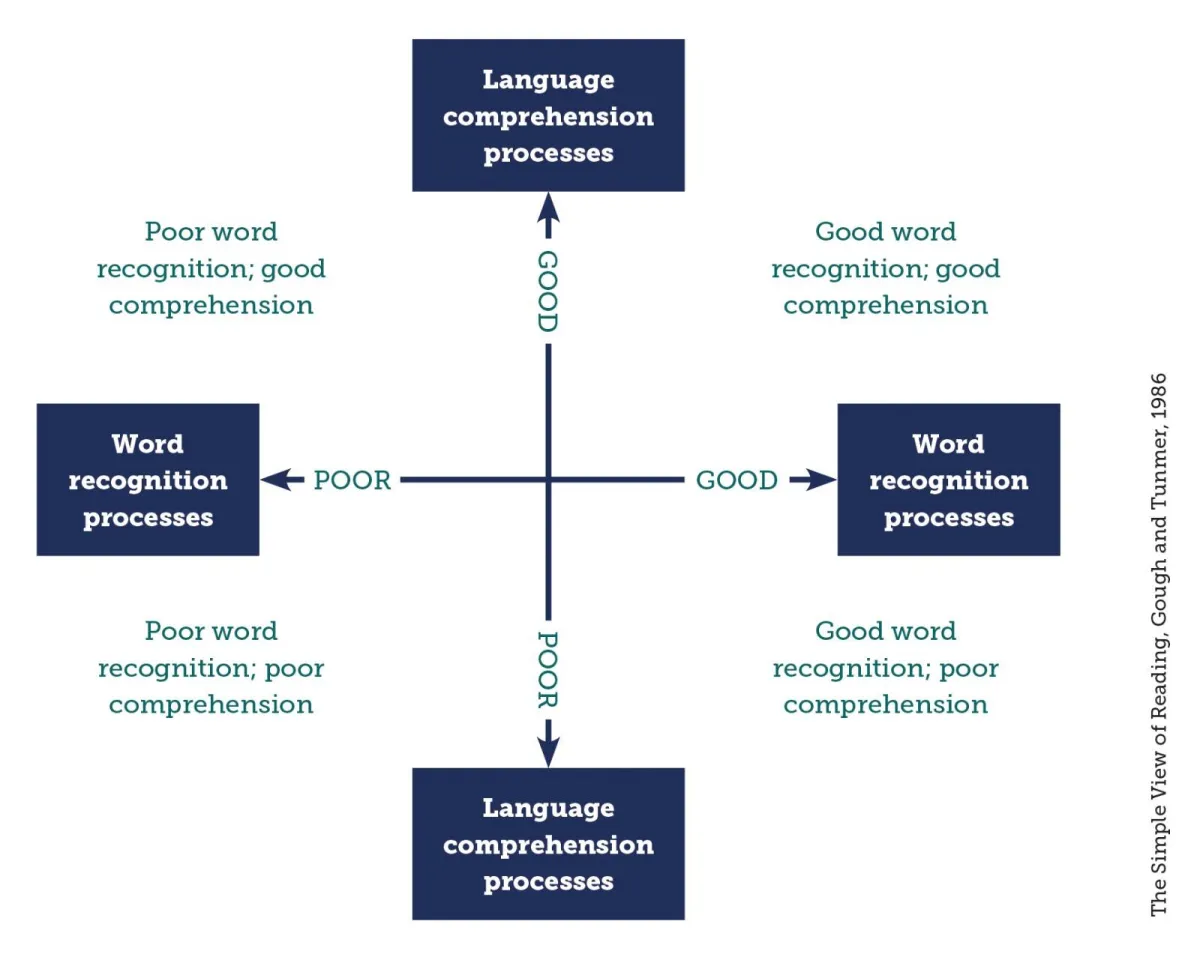
Simple View of Reading
A child must have both skills- Word Recognition and Language comprehension to be a successful Reader.
Decoding times Language Comprehension equals Reading Comprehension.
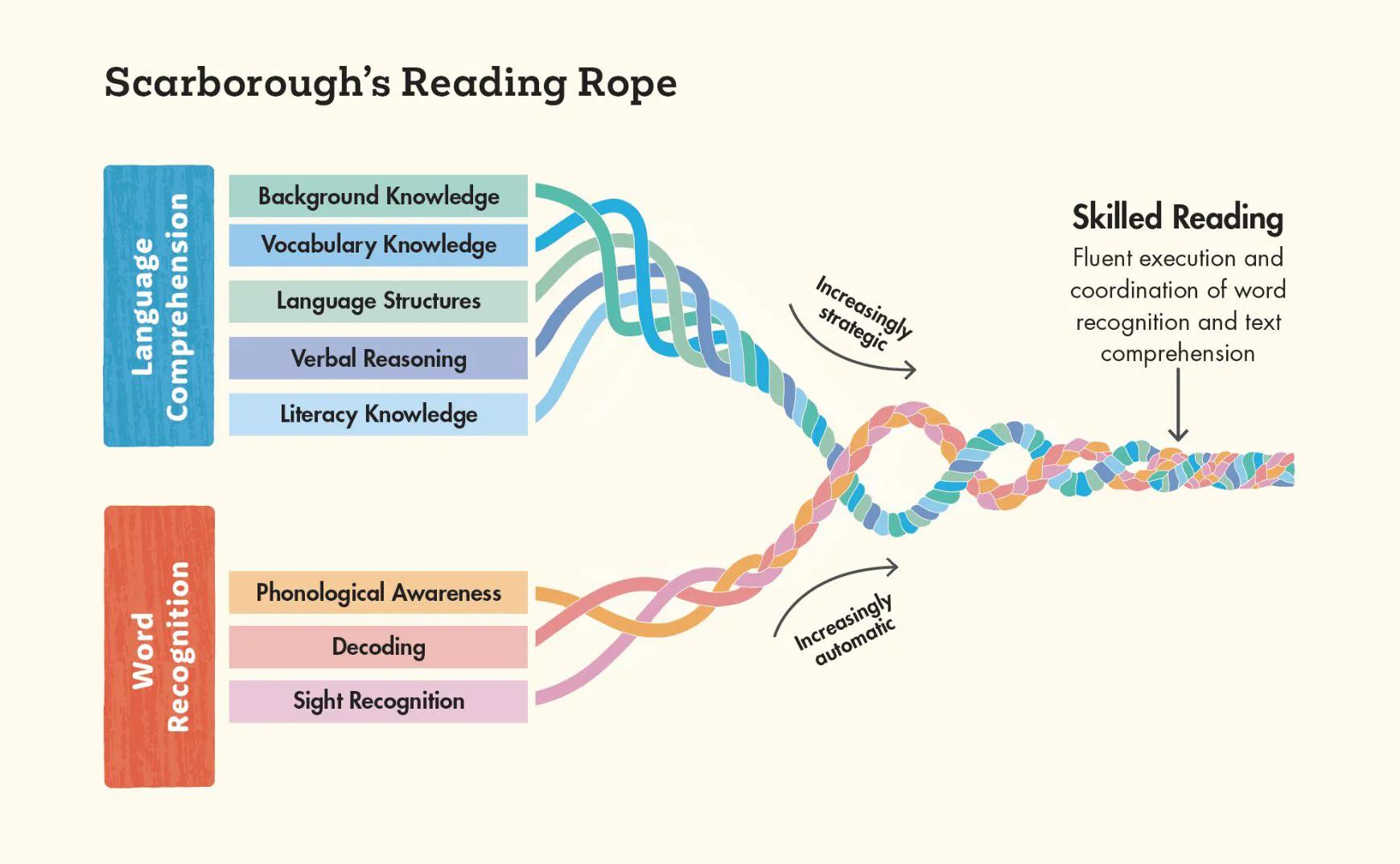
Skilled reading
Neither strand works alone. Reading comprehension emerges when accurate word reading and strong language understanding operate together.
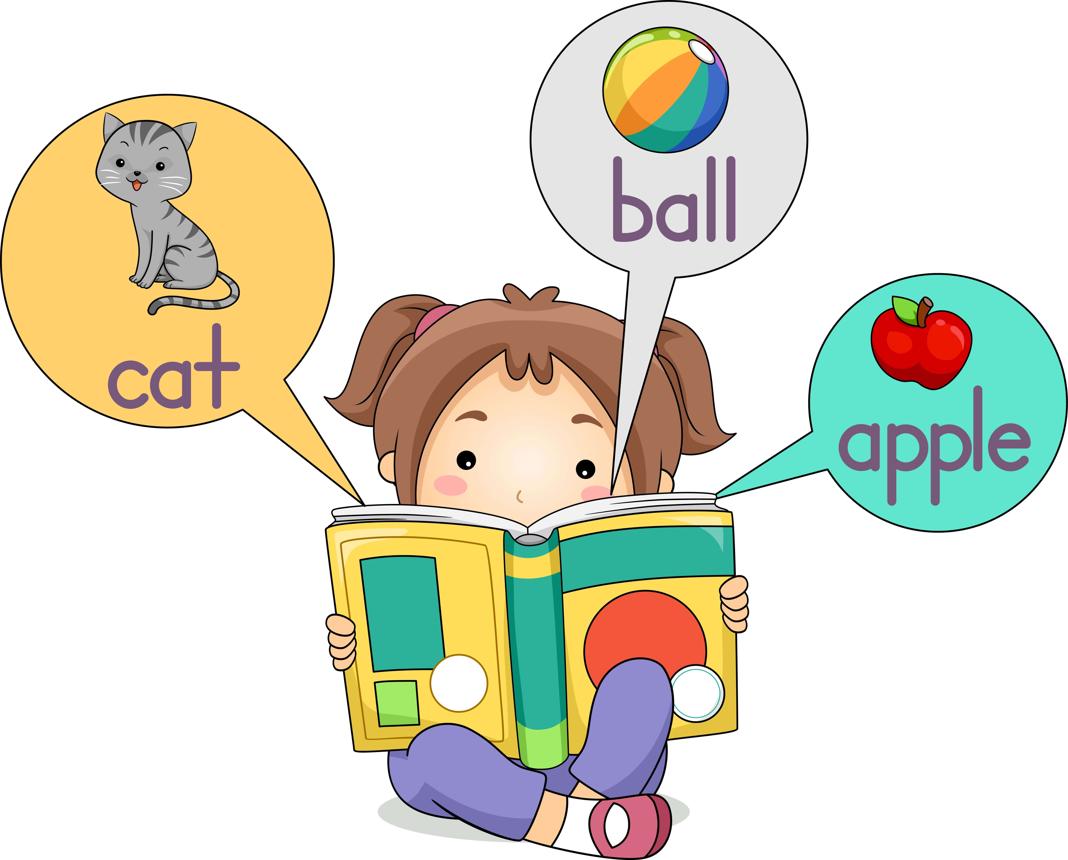
Language comprehension
Vocabulary, background knowledge, sentence structure and reasoning determine how much sense the words make.
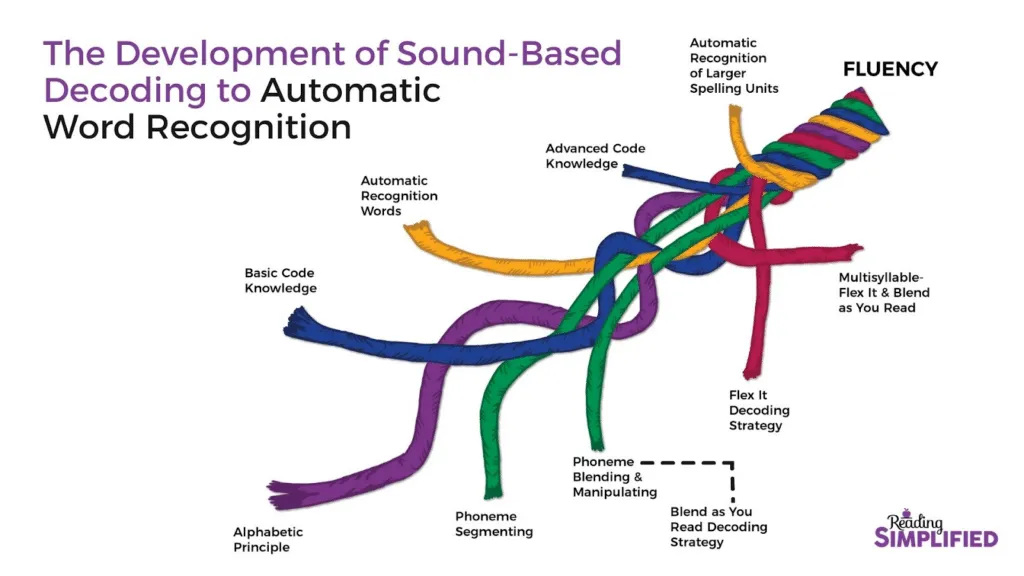
Word recognition
Phonemic awareness, letter-sound knowledge and decoding combine until words are recognized instantly and effortlessly.
How structured literacy works
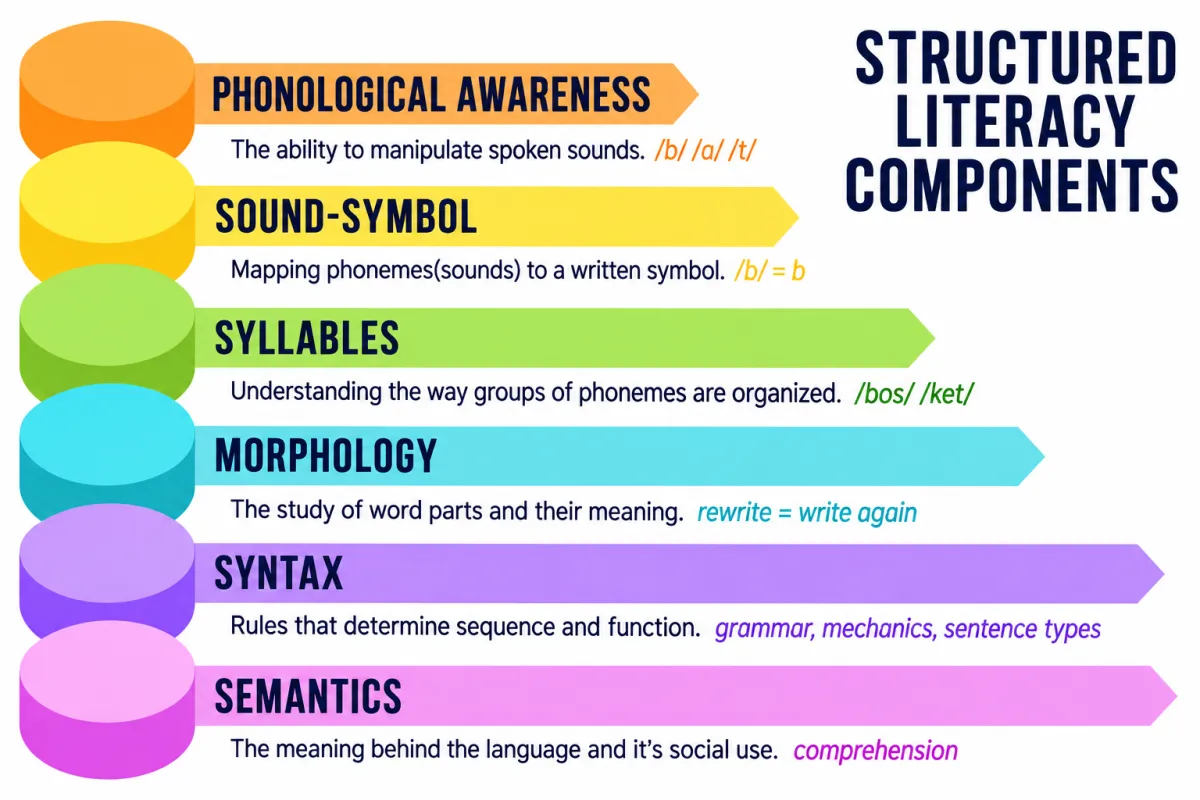
Structured literacy teaches the building blocks of language in a planned order: speech sounds first, then the letters that represent them, then syllable patterns, then meaningful word parts such as prefixes and roots, and finally sentence structure. Each lesson has a stated objective, direct explanation, guided practice and a check for mastery before the next concept arrives. Nothing important is left for the child to infer, which is exactly why it works for learners who do not infer patterns easily on their own.
Why explicit phonics matters
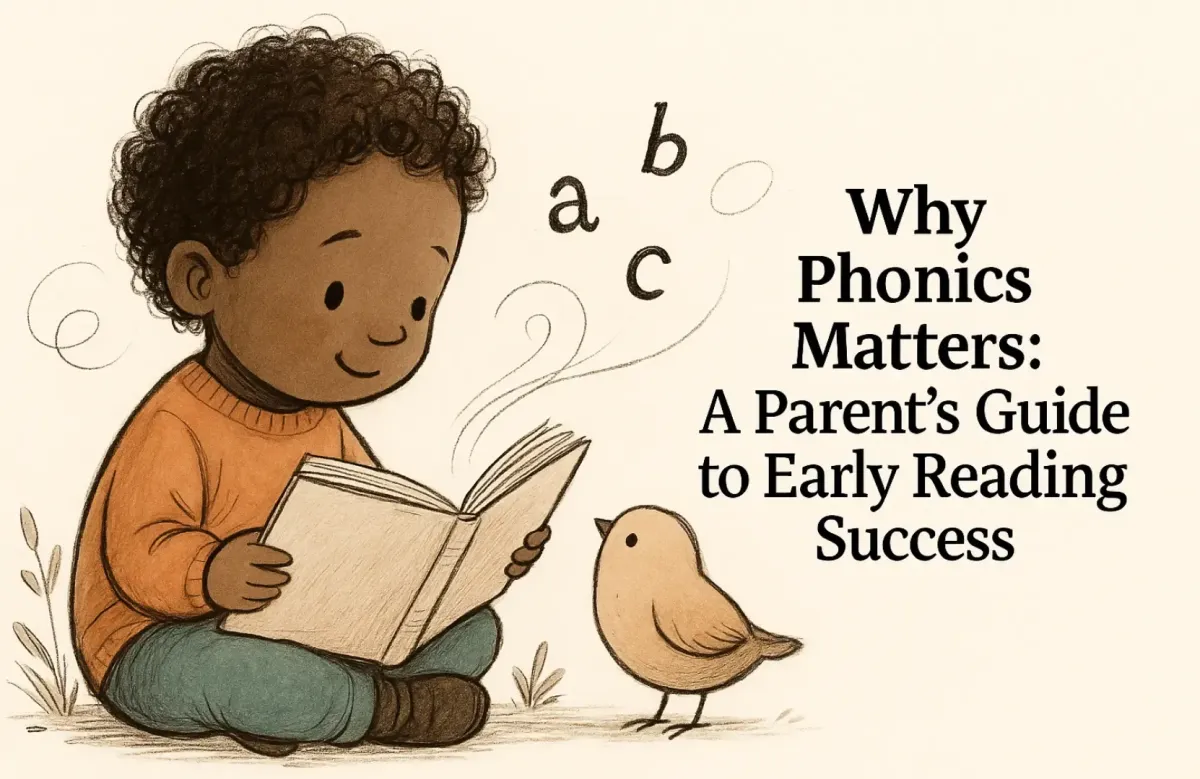
Spoken language is natural; written language is an invention that must be taught. English uses roughly forty-four speech sounds represented by about two hundred fifty spellings, and that mapping is learnable when it is presented deliberately. Explicit phonics gives every child the same reliable key rather than leaving discovery to chance. Strong readers may arrive at the code independently; children with weaker phonological processing usually will not, and years can pass before anyone notices.
How it differs from balanced literacy
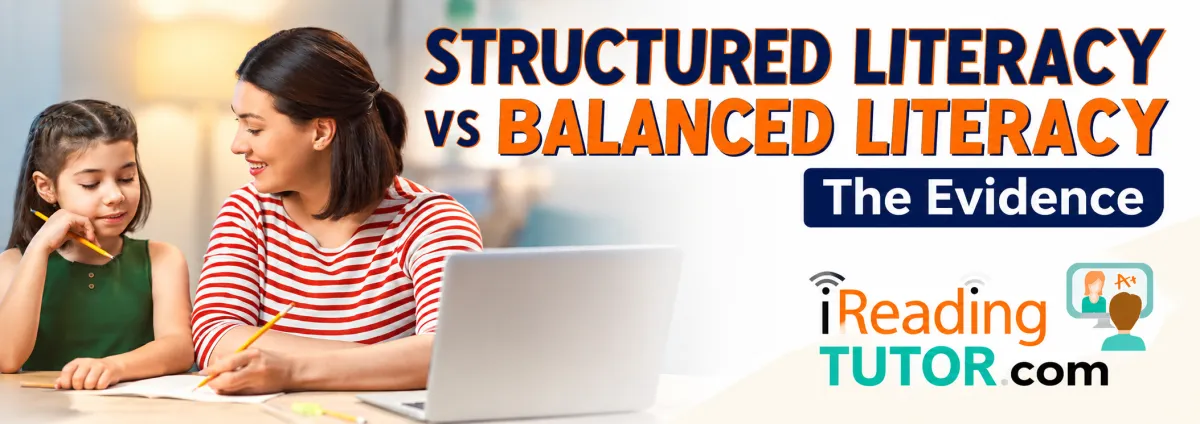
Balanced literacy leans on immersion in books, student choice and strategies such as using pictures or context to work out unknown words, with phonics addressed as needs surface. Evidence-based instruction reverses the emphasis: teach the code directly and systematically, then apply it to rich text. Both value great books and joyful reading. The difference lies in whether decoding is taught on purpose or hoped for, and that difference is most visible in struggling readers.
Eight Practical Supports You Can Start This Week
None of these require special materials or training. They are the habits and conversations that, repeated over months, make the biggest difference at home.

Home Reading Routine
Short and consistent beats long and occasional. Fifteen focused minutes at the same time each day builds more skill than an hour on Sunday.
Pick a fixed anchor: after dinner, before bath, same chair
Alternate: your child reads, then you read aloud to them
Stop while it is still going well, not after tears
Questions to Ask Teachers
Curious, specific questions get better answers than general worry. Bring three to any meeting and write down the responses.
Which skills is my child missing, specifically?
What program is used, how often, and in what group size?
How will we measure progress, and when do we review?
Signs of Dyslexia
No single sign is decisive, but clusters that persist despite good teaching deserve a professional look rather than a wait-and-see.
Trouble rhyming or hearing individual sounds in words
Slow, effortful decoding and frequent guessing
Spelling that varies wildly; strong ideas, weak written output
Homework Tips
Homework battles usually signal a mismatch in difficulty, attention or fatigue. Adjust conditions before adjusting expectations.
Set a timer for a realistic window and honor it
Break tasks into visible chunks your child can check off
Separate reading practice from content homework
Reading Motivation
Children avoid what makes them feel incapable. Motivation returns when success becomes predictable and choice returns to the child.
Let them choose topic and format, including graphic novels
Keep audiobooks in rotation for knowledge and vocabulary
Praise specific effort: 'you sounded that out carefully'
Building Vocabulary
Word knowledge grows fastest through conversation and repeated encounters in context, not through lists memorized on Thursday night.
Use precise words at home and explain them casually
Read aloud above their decoding level for rich language
Notice word parts: re-, -tion, port, dict
Reading Fluency
Fluency is the bridge between decoding and comprehension. It grows through repeated reading of text at the right difficulty.
Reread a short passage three times across the week
Echo read: you model a sentence, your child repeats it
Choose text they can read with roughly 95% accuracy
Executive Function Support
Planning, starting and finishing are learnable skills. Externalize them so your child is not holding everything in working memory.
Visible checklists and a family calendar in one place
Preview the plan aloud before the task begins
Build in movement breaks before attention collapses
The Questions Parents Ask Us Most

How do I know if my child has dyslexia?
Look for a pattern rather than a single incident: difficulty hearing and manipulating individual sounds in words, slow and effortful decoding, unstable spelling, avoidance of reading, and a noticeable gap between spoken reasoning and written performance. When those signs persist despite consistent, quality instruction, a formal evaluation is appropriate. Evaluations typically examine phonological processing, rapid naming, word reading accuracy and fluency, spelling and language comprehension. A diagnosis is not a verdict; it is a map that tells you which instruction will help.
When should intervention begin?
As soon as a concern is well founded. Research consistently shows that support delivered in kindergarten through second grade is more efficient and more effective than the same support delivered later, because skills are still forming and the emotional cost of years of struggle has not accumulated. That said, intervention helps at every age. Older students need instruction that respects their maturity, targets syllables and word parts, and rebuilds confidence alongside skill. It is never too late; it is simply harder to wait.
Can children overcome reading difficulties?
Most children make substantial, life-changing progress with explicit, systematic instruction delivered consistently by someone trained to provide it. Dyslexia does not disappear, and reading may always require more deliberate effort, but accuracy, fluency and comprehension all improve markedly. Many dyslexic adults read well and pursue demanding careers. The variables that matter most are how early support begins, how well matched it is to the child's specific gaps, how frequently it happens, and whether the child's confidence is protected along the way.
What is Orton-Gillingham?
Orton-Gillingham is an instructional approach, not a single boxed program, developed decades ago for students with dyslexia. It is diagnostic and prescriptive, meaning the instructor continually assesses and adjusts; explicit, meaning nothing is left to guesswork; sequential and cumulative, so each lesson builds on secure prior learning; and multisensory, engaging sight, sound and movement together. Many modern structured literacy programs are built on these principles. What matters most is the quality of the practitioner's training and the consistency of delivery.
What is Structured Literacy?
Structured Literacy is an umbrella term for teaching that explicitly and systematically addresses phonology, sound-symbol correspondence, syllables, morphology, syntax and semantics. Lessons follow a planned progression, students practice to mastery, and teachers give immediate corrective feedback. It benefits all readers and is essential for students with dyslexia. If you observe a lesson and can identify a clear objective, direct explanation, guided practice and checks for understanding, you are almost certainly watching structured literacy in action.
How is this different from balanced literacy?
Balanced literacy typically emphasizes immersion in rich text, choice, and strategies such as using pictures or context to identify unfamiliar words, with phonics taught incidentally as needs arise. Structured literacy teaches the code directly and in sequence before expecting independent application. Strong readers often succeed either way because they infer patterns on their own. Children with weaker phonological processing generally do not, which is why the difference between the two approaches shows up most clearly in the students who struggle.
Should my child use audiobooks?
Yes, alongside decoding practice rather than instead of it. Listening builds vocabulary, background knowledge, sentence-structure familiarity and love of story, all of which feed comprehension once decoding becomes automatic. A child restricted only to books they can decode independently may go years without encountering rich language. Use audiobooks for content and enjoyment, keep dedicated decoding practice separate and short, and let your child experience being a person who enjoys books while the mechanics are still developing.
How much should we practice at home?
Ten to twenty minutes of focused practice on most days outperforms long, irregular sessions. Consistency creates the repeated retrieval that moves skills into automatic memory, and short sessions protect the relationship. Keep home practice narrow: reread a familiar decodable passage, review sound cards, play a two-minute oral sound game in the car. Leave new teaching to the specialist. If practice regularly ends in tears, the task is too hard or too long, and adjusting it is the right response.
What should I do if the school says to wait?
Ask for the reasoning in writing and request the data behind it, including screening results and progress monitoring. You can request an evaluation in writing at any time, and you are entitled to a response. Meanwhile, document your own observations with dates and examples. Many families also pursue a private assessment or outside instruction while the school process moves. Waiting without a plan costs instructional time, and instructional time during the early years is the most valuable resource you have.
Does ADHD or autism change the approach to reading support?
The reading instruction itself remains structured and explicit, but delivery adapts. A child with attention differences may need shorter segments, more movement, clearer transitions and stronger external organization. An autistic child may need predictable routines, visual supports and careful attention to language comprehension, which can differ from decoding ability. Coexisting profiles are common rather than unusual. Good practitioners assess the whole learner, coordinate with other providers, and adjust pacing without diluting the content being taught.

Every Child Deserves the Opportunity to Become a Confident Reader
Whether your child needs reading intervention, dyslexia support, executive functioning coaching, or structured literacy instruction, our certified specialists are here to help.
Expert literacy support specializing in Dyslexia and Specific Learning Disabilities since 2015.


Our Services
Quick Links
Contact
© 2026 iReading TUTOR. All rights reserved. Specialized Literacy Support. Powered by Fluxigo.