Blogs
Insights for confident, capable readers
Explore articles packed with expert tips, guidance, and resources on dyslexia support,on Autism, ADHD, Dyslexia, Dysgraphia, and Speech & Language Impairments, Orton-Gillingham tutoring, and online reading instruction curated specifically for our students and families.
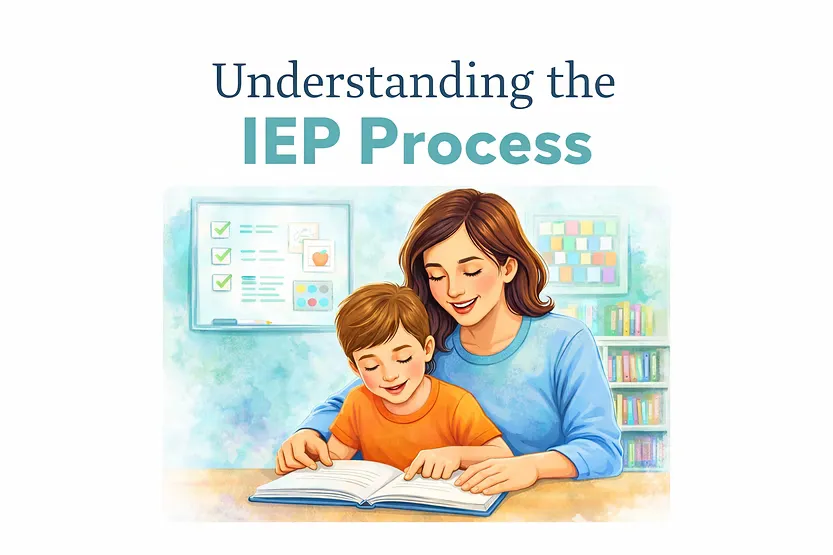
Understanding the IEP Process: A Parent’s Guide to Supporting Your Child’s Reading Needs
At iReading Tutor, we believe that knowledge is power—especially when it comes to advocating for your child’s education. In this guide, we walk parents through the Individualized Education Program (IEP) process, explain key terms, and share practical tips to help you feel confident and prepared every step of the way.
From ESE to IEP: What Parents Need to Know
In a previous discussion, we introduced Exceptional Student Education (ESE)—the broader special education system within school districts. ESE encompasses teachers, therapists, services, and supports designed to help students with disabilities achieve success.
Once a child qualifies for special education through the ESE process, the next step is to create an Individualized Education Program (IEP). This document is central to ensuring your child receives the instruction and accommodations they need.
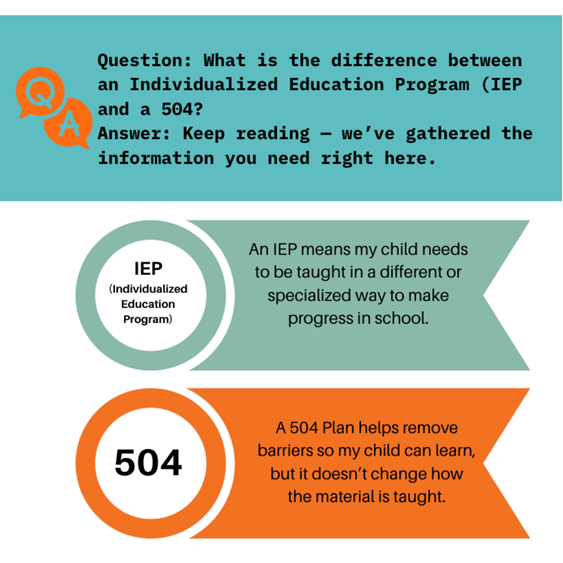
What Is an IEP?
An Individualized Education Program (IEP) is a written plan developed for a student who qualifies for special education services. It outlines:
All IEPs are protected under the Individuals with Disabilities Education Act (IDEA), a federal law ensuring students with disabilities receive appropriate educational support.
Who Is on the IEP Team?
An IEP is developed collaboratively by a team that typically includes:
A special education teacher
A general education teacher
A school psychologist or qualified evaluator
A district representative who can approve services and resources
You, the parent or caregiver
Your insights are critical. As a parent, you play an essential role in shaping the plan and advocating for your child’s needs.
Want to learn more about the your role as a parent and the IEP?
Check out this video about navigating IEP meetings.
Explore further with Parents Rights and Roles in an IEP Meeting video here.
Tip #1: Get Organized
Being organized is one of the most powerful ways to advocate for your child. Start documenting everything related to your child’s learning.
What to Collect:
Samples of schoolwork (all subject areas)
Past report cards and progress reports
Screening results, evaluations, and test scores
Emails and communications with teachers, schools, or tutors
Relevant medical history that may impact learning
A journal of homework experiences at home
Specific examples of attention, behavior, fatigue, and time spent completing work
Tip:Use a 3-ring binder or take photos of documents and store them digitally. Bring these materials to every meeting—they help educators better understand your concerns.
What Does an IEP Include?
An IEP is a detailed plan that may include:
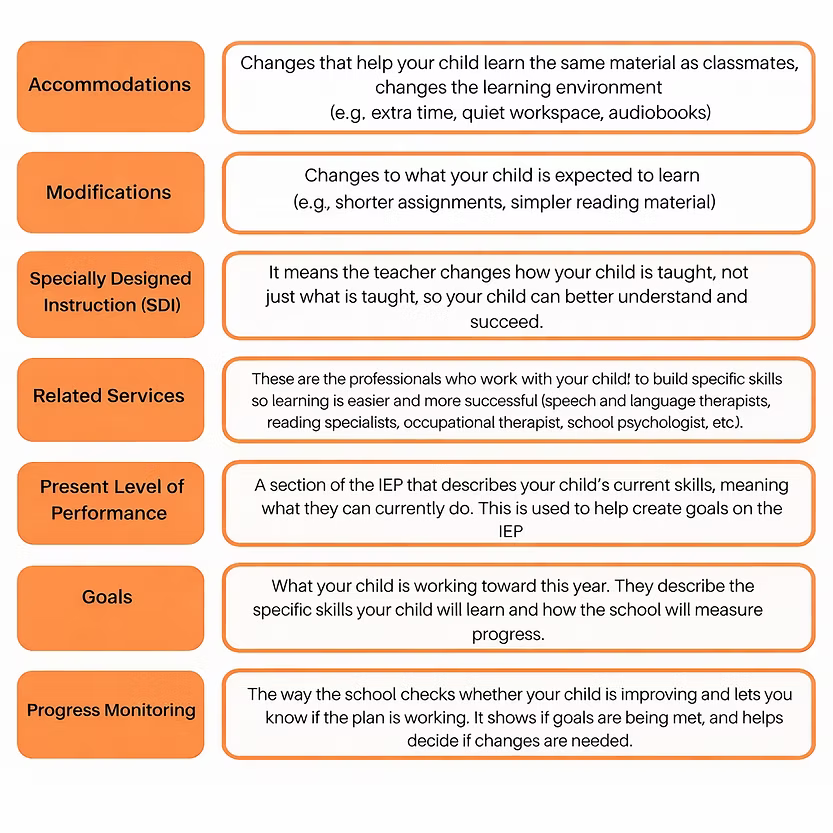
Specially designed instruction (such as structured literacy or Orton-Gillingham-based approaches)
Accommodations (extra time, quiet testing space, small-group instruction)
Modifications (changes to what a student is expected to learn)
Related services (speech therapy, occupational therapy, counseling)
Assistive technology (audiobooks, text-to-speech, typing supports)
The amount of time spent in general education versus other settings
To qualify, a child’s disability must negatively impact academic performance and require specialized instruction.
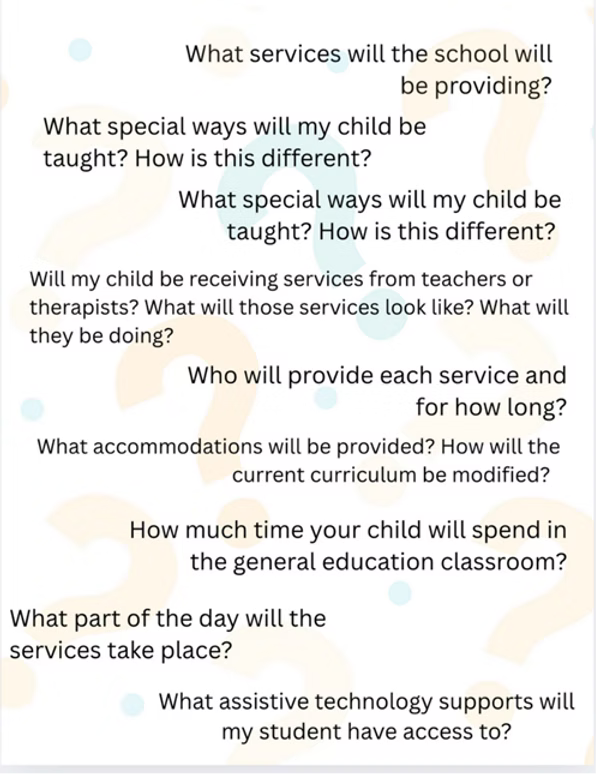
IEP Checklist for Parents
Use this checklist to review your child’s IEP:
Services the school will provide
Instructional adjustments teachers will make
Frequency and provider of each service
Accommodations and modifications
Assistive technology supports
Classroom placement details
If something isn’t clear—ask questions. You have the right to understand every part of the plan.
Key Words Parents Should Know
Understanding common IEP terminology helps you participate confidently in meetings. Knowing the language allows you to ask informed questions and ensure the plan truly supports your child.
Florida Empowerment Scholarships: What Parents Should Know
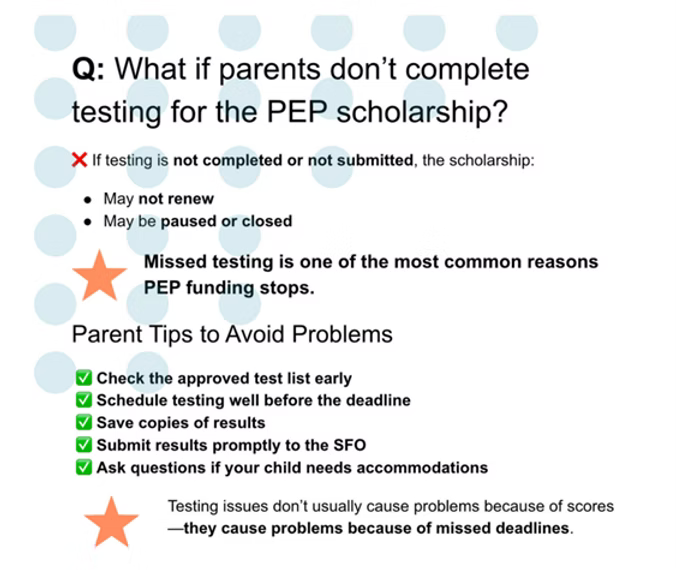
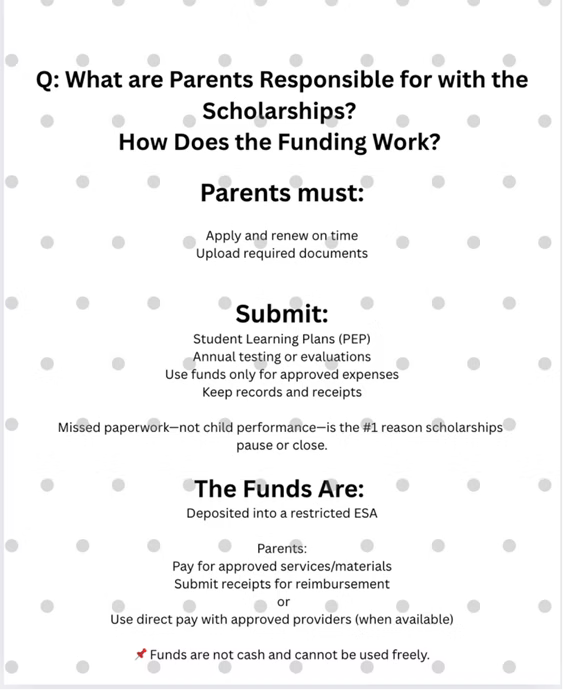
Applications for PEP and Unique Abilities Scholarships for the 2026–27 school year open on February 1, 2026 through Step Up For Students.
What’s the Difference?
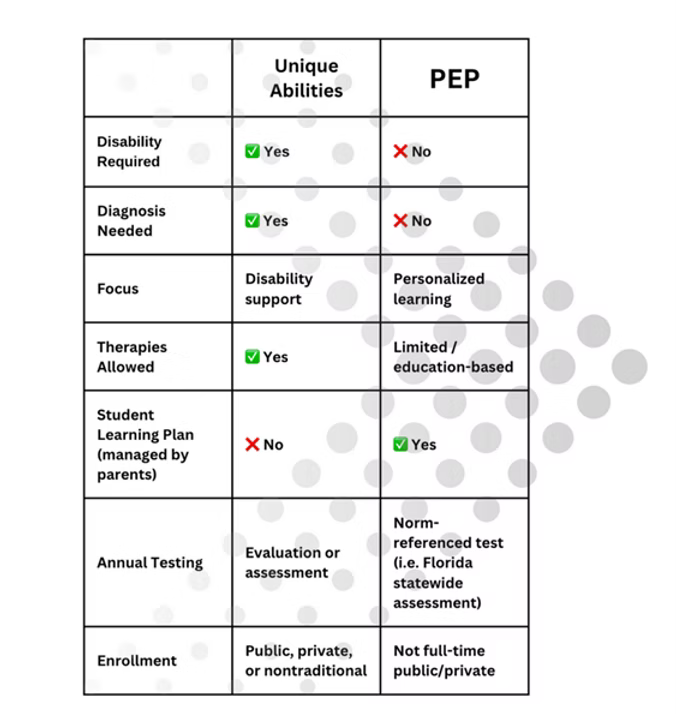
PEP Scholarship:For students not enrolled in public school (including homeschool families). No specific disability is required, and funds can be used for tutoring services.
Unique Abilities Scholarship:For students with a diagnosed disability that impacts learning. Families may qualify for additional funding with a recent diagnosis.
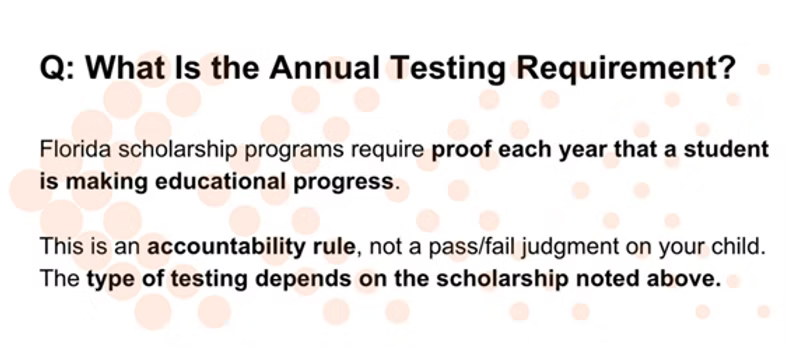
Q: What is the difference between Unique Abilities and PEP Scholarships?
Helpful Resources for Parents
Guides to understanding and implementing an IEP
Parent advocacy websites focused on special education
Printable checklists and meeting preparation tools
We’re Here to Support You
At iReading Tutor, our experienced Orton-Gillingham tutors are committed to helping families navigate the IEP process with confidence. When parents understand how literacy is taught and how services are provided, children are better positioned to succeed.
If you have questions or need guidance, we’re here to help.
Call or Text: 561-418-6856
Visit Explore Scholarships For Pre-K To 12 Students In Florida for more information!
Or
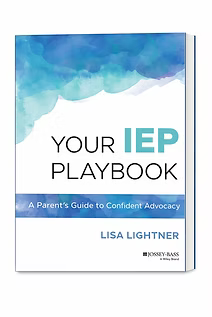
Check out this book that is considered an easy to understand guide to navigating and implementing your child’s IEP.
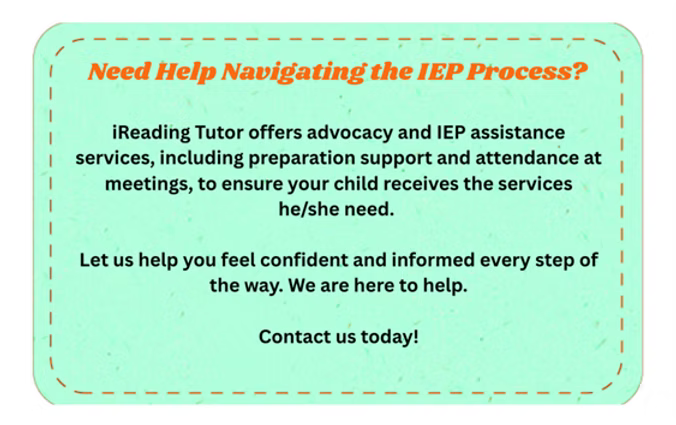

Need Help Accessing These Resources?
Expert literacy support specializing in Dyslexia and Specific Learning Disabilities since 2015.


Our Services
Quick Links
Contact
© 2026 iReading TUTOR. All rights reserved. Specialized Literacy Support. Powered by Fluxigo.